 Service illustration · not a completed customer project
THE WORK, EXPLAINED
Start with the condition.
Understand the scope.
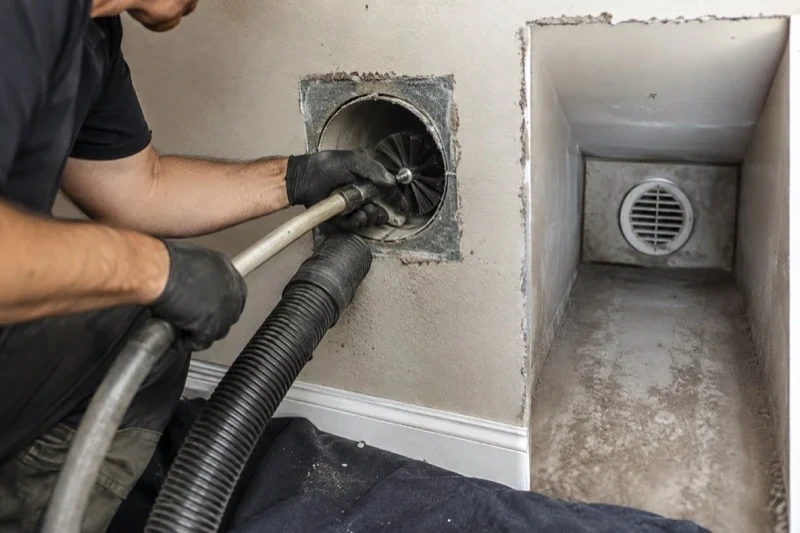
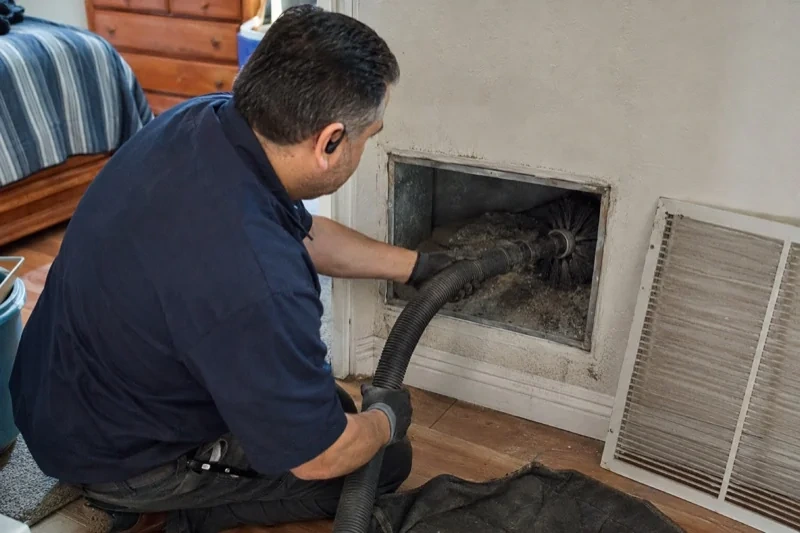
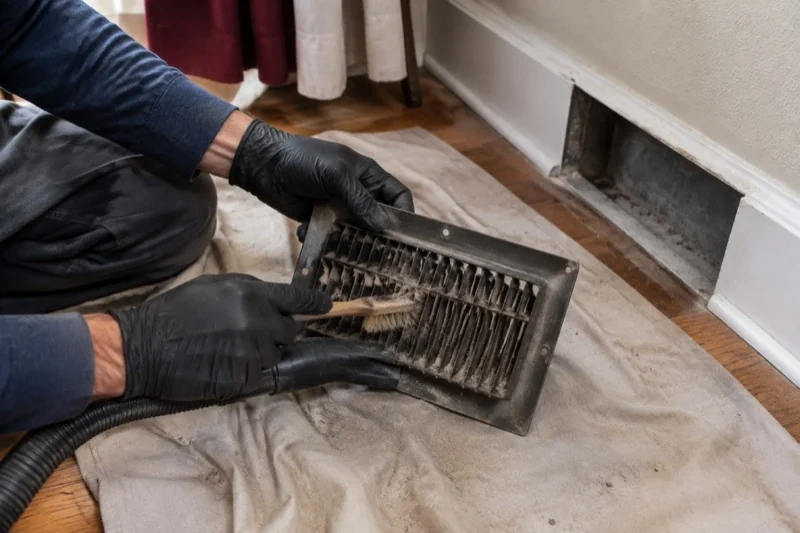
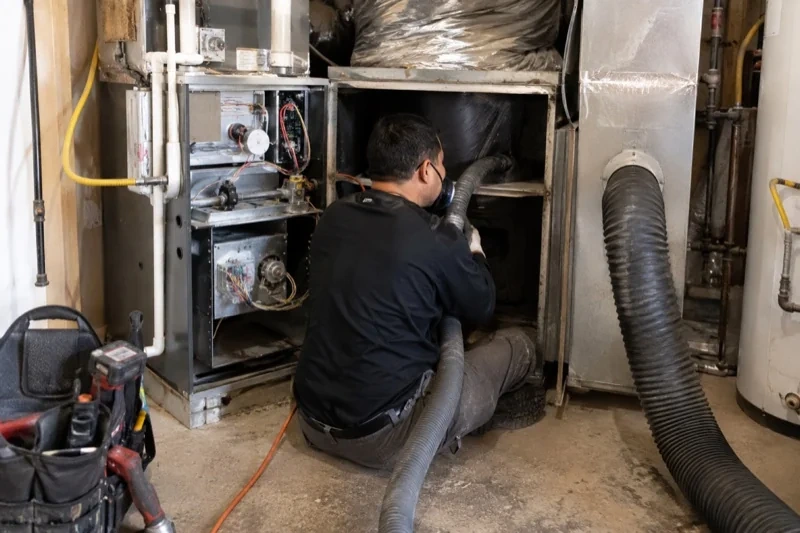
A whole-system proposal needs an explicit component list and evidence supporting the cleaning scope. Ask how agitation, particle collection, protection of materials and access restoration will be handled, including any components assigned to an HVAC specialist. Request completion records and an explanation of exclusions that could leave the original concern unresolved.
What may be involved
- supply ducts
- return ducts
- registers
- air handler
- coils
Ask the provider to distinguish existing parts to inspect, proposed replacements, and tools, materials or reports included in the service. Confirm the work and exclusions after assessment; this list does not mean that every item will be supplied or replaced.
LOCAL RESEARCH / Cambrian Park
Local context
The US Environmental Protection Agency does not recommend that air ducts be cleaned routinely, but only as needed, and lists the conditions that would justify it: substantial visible mould inside hard-surface ducts or system components, ducts infested with vermin such as rodents or insects, and ducts clogged with excessive dust and debris that is released into the home. EPA also says no chemical biocides are currently registered for use in internally insulated air duct systems, and that sealants are not recommended for routine use. Ask to be shown the condition before agreeing to a scope. EPA guidance describes when cleaning may be appropriate; it is not a diagnosis of your system.
Source ↗Area-wide context does not establish the condition of your property or equipment.
Before the visit
Building age and weather cannot establish duct contamination. The system itself needs to be inspected.