San JoseCA · Local services
A practical guide
to the ductwork visit.
Find the service that matches the component or concern you recognize. Prepare questions about access, material condition and the work included.
(669) 334-9286Find your service ↓ THE DETAILS MATTER.
LET’S MAKE THIS SIMPLE
What have you noticed?
One choice gets you to the relevant service.
No long form between you and a conversation.
A PLACE TO START
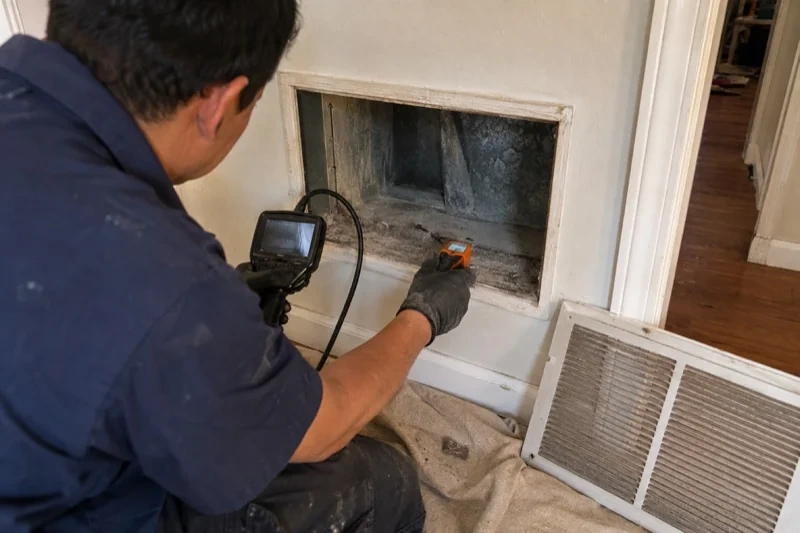
Duct Condition Assessment
There is visible debris, an odor, moisture, pests, or a concern that needs to be checked rather than assumed.
Describe the issue first. Confirm the work and price before authorizing it.
A PLACE TO START
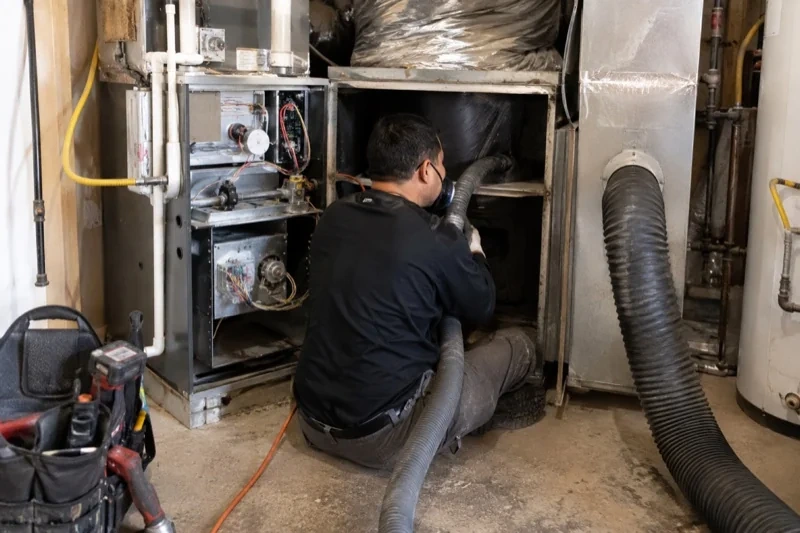
Whole HVAC System Cleaning
The assessment documents substantial debris, pests, or visible contamination across more than one system component.
Describe the issue first. Confirm the work and price before authorizing it.
A PLACE TO START
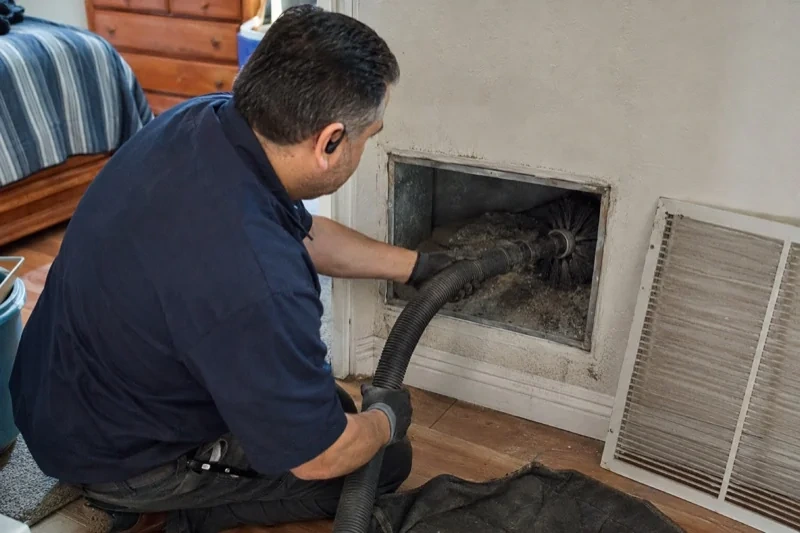
Return Duct Cleaning
Excessive debris is documented in return-side ductwork beyond normal dust on a return grille.
Describe the issue first. Confirm the work and price before authorizing it.
A PLACE TO START
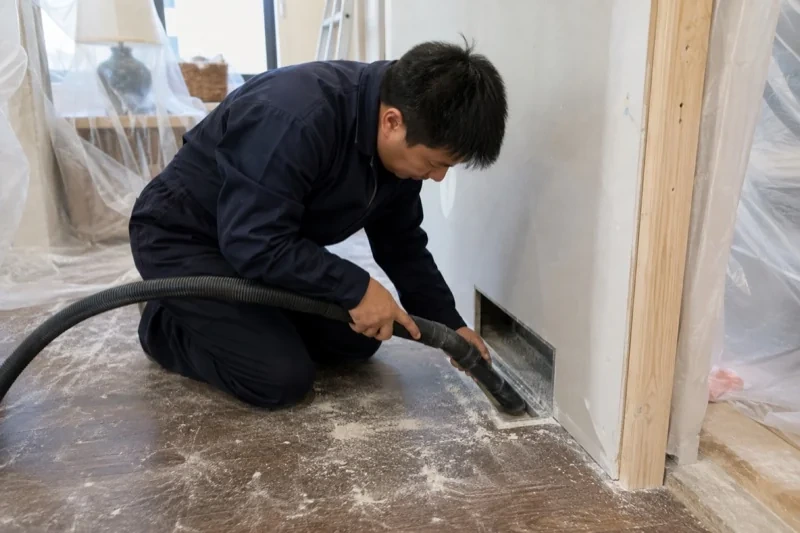
Renovation Dust Response
Construction or renovation dust entered registers or the HVAC system was run during dusty work.
Describe the issue first. Confirm the work and price before authorizing it.
Clarity first.
Then the right care.
A dusty grille doesn’t tell the whole story. Start with the condition of the system, then choose the scope that makes sense.
Explore all services↗7 SERVICES
Assessment & Documentation
Condition-led assessment and visible documentation before any recommended work.
↗7 SERVICES
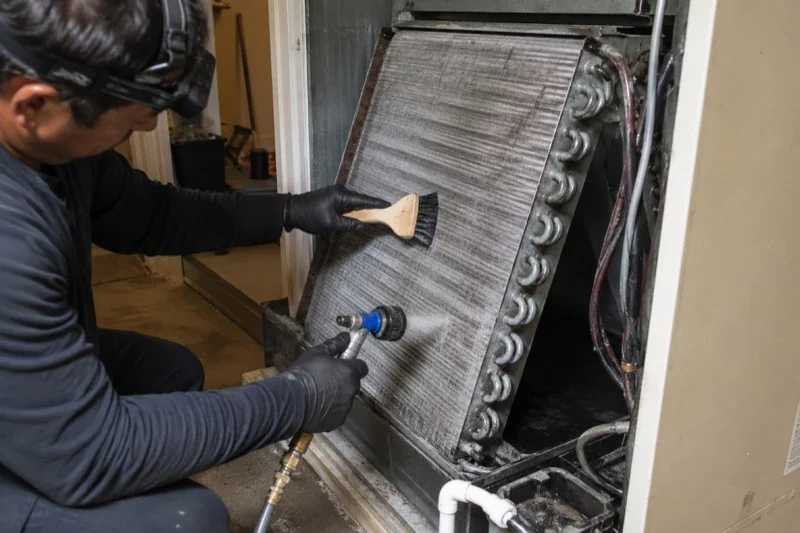
Whole-System Cleaning
Source-removal work across the components included in a written scope.
 ↗
↗6 SERVICES
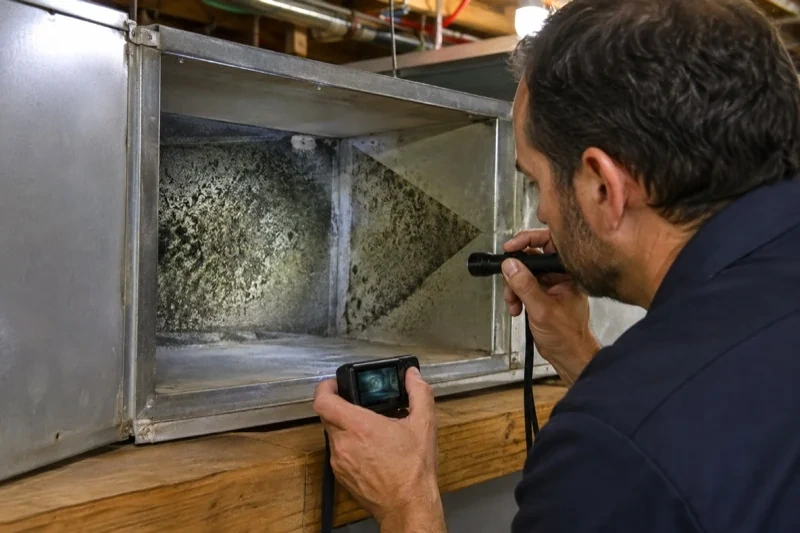
Component Care
Component-specific cleaning and access work only when the assessment supports it.
 ↗
↗5 SERVICES
Condition Response
Condition-specific next steps for moisture, contamination, damage, or renovation debris.
THE WORK, UP CLOSE
See the details.
Find your service.
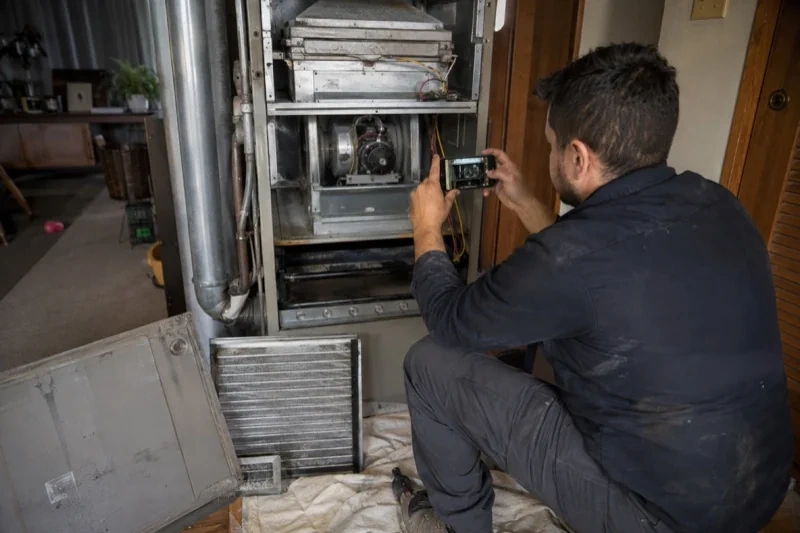
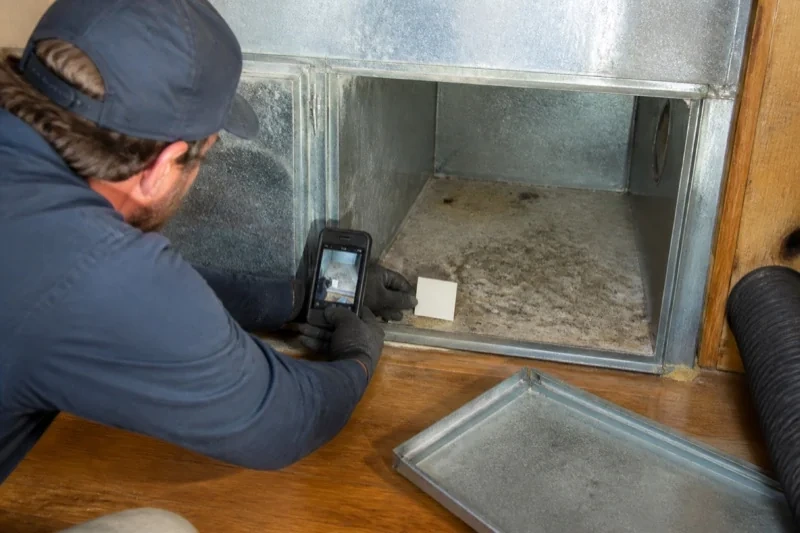
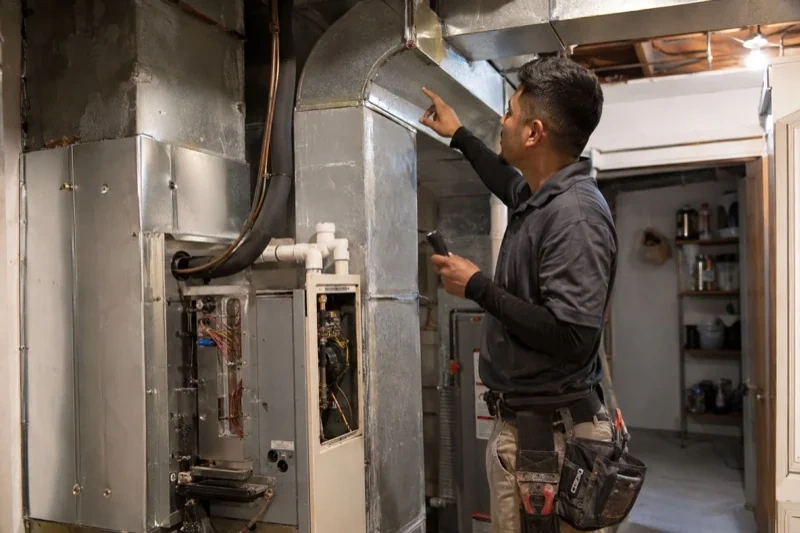
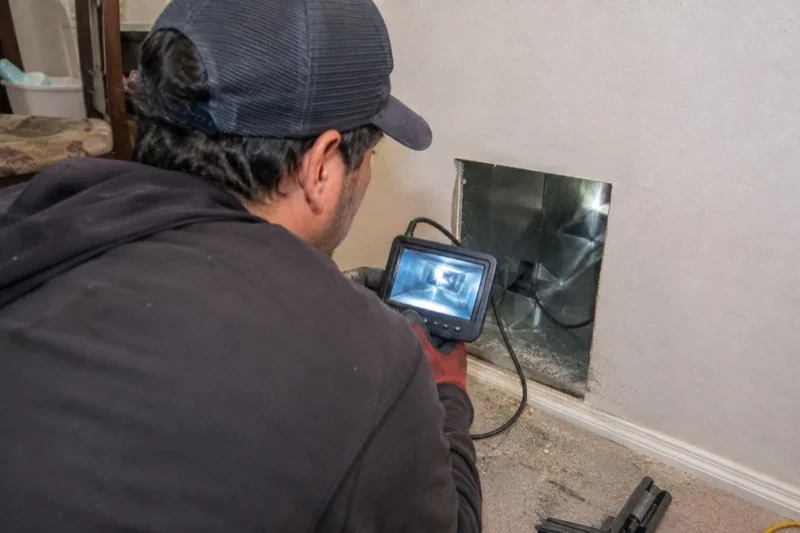
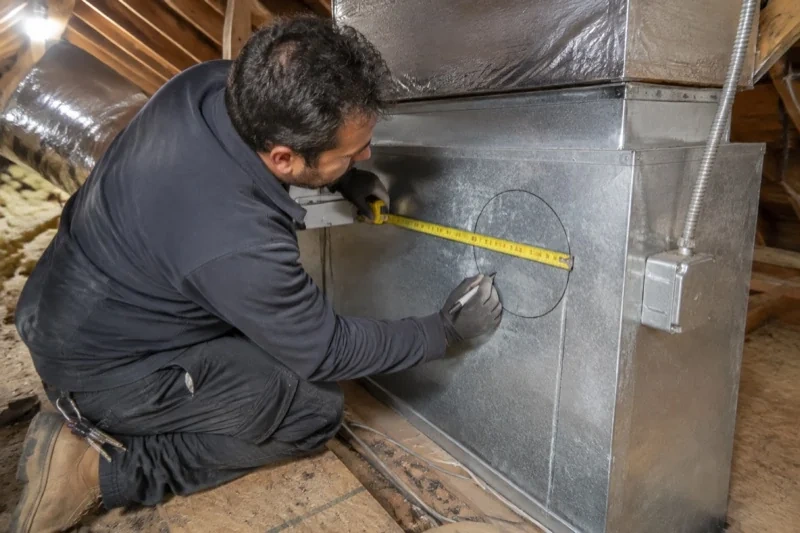
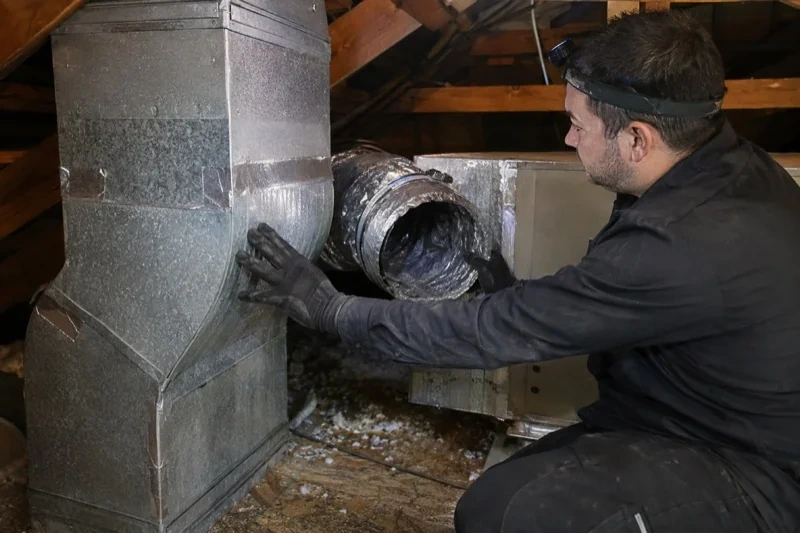
SEE HOW IT WORKS
The moving parts.
A closer look.
Explore the illustrated system and the components behind the service.
 Illustrative photography
A MORE CONSIDERED APPROACH
Look first.
Clean what needs it.
Cleaning is not a routine cure-all. The EPA advises considering it when there is substantial mold, vermin or excessive dust and debris. Ask to see the condition before agreeing to a service.
Explore an assessmentRead the EPA’s duct-cleaning guidance ↗FROM FIRST QUESTION TO NEXT STEP
Know what
happens next.
Building age and weather cannot establish duct contamination. The system itself needs to be inspected.
- 01
See the condition
Begin with accessible components and a record of what is actually present.
- 02
Define the scope
Name the components, access requirements and proposed cleaning method.
- 03
Review the result
Ask how completion will be visually checked and documented.
San Jose
Start with your address.
Find the service you need, then confirm the work and availability for your property.
LOCAL RESEARCH / San José
Local context
The US Environmental Protection Agency does not recommend that air ducts be cleaned routinely, but only as needed, and lists the conditions that would justify it: substantial visible mould inside hard-surface ducts or system components, ducts infested with vermin such as rodents or insects, and ducts clogged with excessive dust and debris that is released into the home. EPA also says no chemical biocides are currently registered for use in internally insulated air duct systems, and that sealants are not recommended for routine use. Ask to be shown the condition before agreeing to a scope. EPA guidance describes when cleaning may be appropriate; it is not a diagnosis of your system.
Source ↗Planning your work
California’s energy code can require HERS field verification and diagnostic testing on heating and cooling work. The California Energy Commission says that, depending on the work being done, HERS testing may be mandatory, and that properly permitted work will trigger any necessary HERS testing. It adds that a contractor should be able to explain permitting requirements to the homeowner and that HERS testing should be part of that discussion, and that a rater should identify themselves with a photo badge. Ask early whether the proposed work is a duct or equipment alteration that needs a permit, because cleaning and replacement are not the same scope. Confirm the permit position with the City of San Jose.
Source ↗Area-wide context does not establish the condition of your property or equipment.
CLOSE TO HOME
San Jose.
And your corner of it.
Find the service information for your area. Confirm your address and appointment availability when you call.
Explore all areasA LITTLE CLARITY
Good questions.
Straight answers.
Does every home need regular duct cleaning?
No. EPA guidance does not recommend duct cleaning as a routine schedule. It suggests considering cleaning for substantial visible mold, pests or excessive dust and debris in the system.
Can cleaning guarantee healthier air?
No health outcome is promised here. Indoor air quality has many causes. A provider should explain the observed condition and the purpose of the proposed work without a blanket health claim.
What belongs in a whole-system scope?
Ask which supply and return ducts, registers, grilles, coils, drain pans, fan components and air-handler surfaces are included, which are excluded, and how the result will be checked.