 Service illustration · not a completed customer project
THE WORK, EXPLAINED
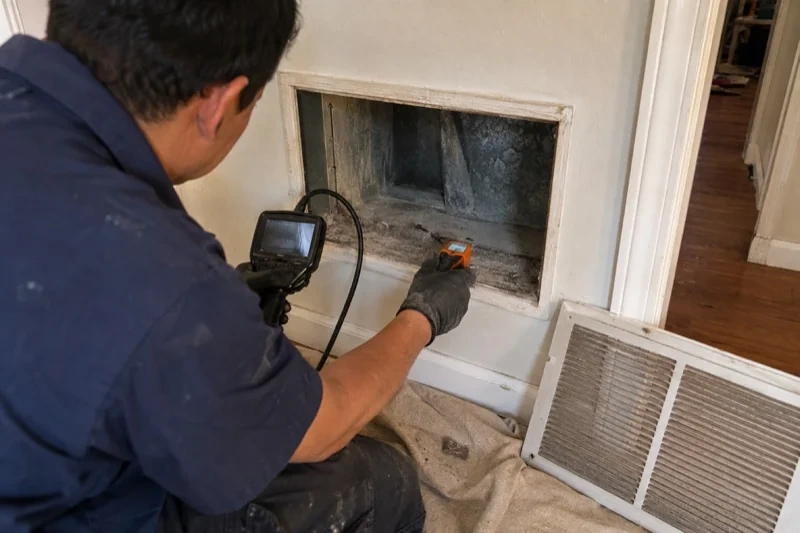
Start with the condition.
Understand the scope.
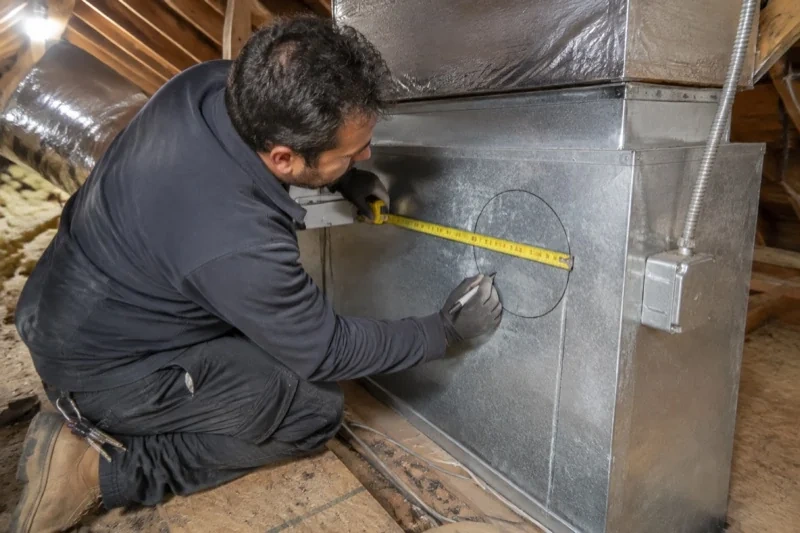
Ask which existing openings can support the agreed assessment or cleaning and why any additional access is proposed. The scope can identify the opening locations, material constraints and responsibility for closing and insulating them afterward. Confirm how access limitations and restoration work will be documented.
What may be involved
- access doors
- access ports
- seals
- insulation
Ask the provider to distinguish existing parts to inspect, proposed replacements, and tools, materials or reports included in the service. Confirm the work and exclusions after assessment; this list does not mean that every item will be supplied or replaced.
LOCAL RESEARCH / East Foothills
Planning your work
California’s energy code can require HERS field verification and diagnostic testing on heating and cooling work. The California Energy Commission says that, depending on the work being done, HERS testing may be mandatory, and that properly permitted work will trigger any necessary HERS testing. It adds that a contractor should be able to explain permitting requirements to the homeowner and that HERS testing should be part of that discussion, and that a rater should identify themselves with a photo badge. Ask early whether the proposed work is a duct or equipment alteration that needs a permit, because cleaning and replacement are not the same scope. Confirm the permit position with your local building department.
Source ↗Area-wide context does not establish the condition of your property or equipment.
Before the visit
Building age and weather cannot establish duct contamination. The system itself needs to be inspected.